
Séquence Didactique #2
Comment terminer son message en utilisant les formules couramment utilisées par les natives.

Rule of Thumb
Comme on l’a vu dans le post précèdent (Stay with me for the latest updates…) ouvrir et finir un mail avec la British Touch permet de connecter de façon plus crédible, surtout lorsque vous êtes en communication avec un native English speaker.
Pour conclure correctement un mail avant le Best Regards, là encore les formules sont assez concises et simples dans leur construction. Le principe étant de laisser une porte ouverte vers une étape à suivre ou un approfondissement des sujets évoqués. C’est souvent un peu « convenu », comme notre formule « je me tiens à votre disposition » ou « n’hésitez pas à me contacter » mais ce sont les mots valises qu’il faut connaître et savoir utiliser pour que votre message soit bien reçu, car ce sont les codes en usage qui déclenchent automatiquement chez le récepteur un sentiment de communauté.
Dans un prochain post, on abordera la question des formules de remerciements qui là aussi , font appel à des constructions spécifiques que seul un native peu formuler. C’est souvent simple après coup, comme un exo de math quand on a la réponse sous les yeux mais c’est beaucoup plus «a tough nut to crack» quand on est seul face à son ordi AZERTY. Voici d’ailleurs un “sneak peek” (un avant-goût)
“Hi both, I really appreciate your time this morning and thank you for being supportive on this project”
ou encore
“Thank you to Mark and the team at Great Vending for their time and hospitality on my visit today“
Teaching / Grooming
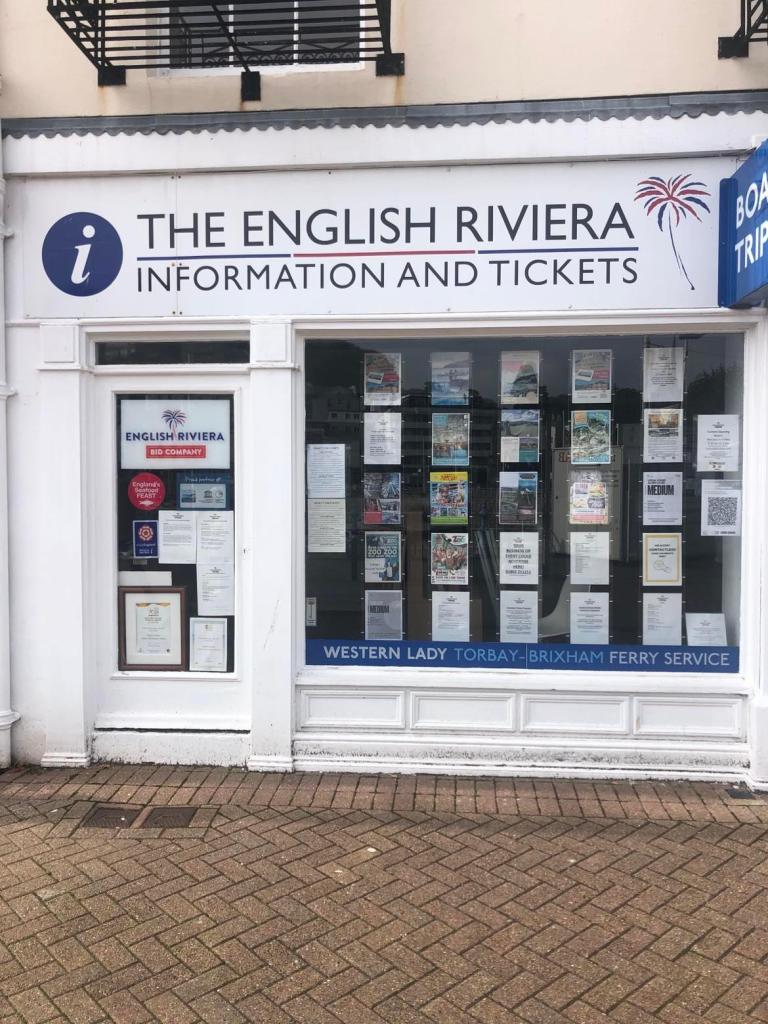
Pour revenir aux formules de fin à utiliser dans vos emails, voici un panel d’expressions concises à connaître et à utiliser sans modération (74 exemples contextualisés):
- Do call with any queries.
- If you have any queries or thoughts, please do not hesitate to let me know.
- Any queries, please do not hesitate to give me a call.
- I you have any queries please do not hesitate to contact me.
- Also, please pass my thanks on to Hayley – from the Helpdesk – who is always very helpful when I ring up with a query.
- In case of any query, I shall be glad to assist. Hope to hear from you soon.
- Please let me know if you have any further queries.
- Let me know if you have any queries or spot anything that needs changing.
- If you have any queries please let me know.
- Your usual sales contact remains at your disposal to discuss any queries you may have.
- If you have any queries or spot any issues, please let me know.
- If you have any queries please contact this office, quoting the above reference.
- Please accept our sincere apologies that this has happened. Should you have any queries please do not hesitate to contact me.
- Do let me know if you have any questions or queries in the meantime. Thank you, Chris.
- I would still like to hear if you have any problems or questions.
- Let us know if there are any questions.
- Please do not hesitate to contact me with any additional questions you may have.
- Any other questions, please let me know.
- Let me know if you have any further questions.
- Any questions, please let me know.
- I will reach out to you if I have any further questions as I make my way through this process.
- …and wanted to know if you had any additional questions that I can answer for you.
- Please call with any questions.
- Please let me know of any questions or concerns. Thanks for the help.
- Please let me know if you have any questions or if there is any way I can be of assistance.
- If you have question please email or call me on my cell listed below.
- Please let me know if you have any additional questions at this time.
- Should you have any questions please don’t hesitate to contact me on 07884 xxxxxx
- and if you have any questions, please do not hesitate to contact me.
- Please let me know if you have any further questions.
- If you have any questions in the meantime please don’t hesitate to reach out.
- Any questions please give me a shout (give a shout est souvent utilisé dans le sens: to say something to someone or contact them in some way in order to alert them to something = il n’y a donc aucune notion de “cri” ou de “crier”. C’est donc parfaitement correct de l’utiliser ainsi dans ce contexte).
- Any questions, please let me know – look forward to catching up (faire le point, se tenir au courant) later today.
- Feel free to contact me with any questions but would like feedback by close tomorrow
- Should you have any questions, please do let us know.
- Thanks and any questions, please don’t hesitate to let me know.
- Please call the LeasePlan Contracts Team and we will talk you through (to discuss all the details of something, often before making a decision = fournir toutes les explications) any questions you have.
- Hopefully this all makes sense however please let me know if you’ve any comments or questions.
- If you have any questions, please don’t hesitate to get in touch.
- If you have any questions at all, please let me know.
- Many thanks and please feel free and ask any questions.
- Happy to talk further. Thanks.
- Talk with you soon.
- Look forward to catching up.
- With thanks in advance
- That’s all the dirt for now. Stay in touch. Best Regards. (dirt – disgraceful gossip about the private lives of other people = ragots)
- I hope all makes sense and see you soon (precisions importante: make sense signifie “to have a clear meaning and be easy to understand”… SVP ne pas retranscrire en Frenglish littéral comme on l’entend trop souvent dans le jargon business “faire sens”. Voici quelques solutions correctes que je vous propose en échange: ça colle, c’est logique, ça se tient c’est clair etc…pas “faire sens”, non, non)
- Let us know if there are any questions.
- Please be so kind as to respond directly to him with the question posed.
- Please do not hesitate to contact me with any additional questions you may have.
- Any other questions, please let me know.
- If I have a question who do I direct them to?
- Let me know if you have any further questions.
- Any questions, please let me know.
- I will reach out to you if I have any further questions as I make my way through this process.
- …and wanted to know if you had any additional questions that I can answer for you.
- Please call with any questions.
- Please let me know of any questions or concerns. Thanks for the help.
- Please let me know if you have any questions or if there is any way I can be of assistance.
- Please let me know if you have any additional questions at this time.
- Please let me know if you have any further questions.
- Please can you have a read through and give me your thoughts on the questions they pose.
- I trust this is clear, and if you do have any further questions please let me know
- If you have any questions in the meantime please don’t hesitate to reach out.
- Also following on from Ben’s questions do you have any update on the expected date of the new software
- I have one more question…err…I’m just trying to think what it was…err…oh yeah: if you were like my age now (…)
- Any questions please give me a shout (voir point 32)
- Feel free to contact me with any questions but would like feedback by close of play tomorrow (by Close Of Play (by COP) & by Close Of Business (by COB) sont assez régulièrement utilisés dans le sens “avant la fin de la journée, soit aux alentours de 5:00pm latest)
- Thanks and any questions, please don’t hesitate to let me know.
- Any questions please message me.
- If you have any questions, please don’t hesitate to get in touch.
- If you have any questions at all, please let me know.
- Please let me know if you have any questions or need anything further in the meantime.
- Many thanks and please feel free and ask any questions.
that’s pretty much it…
Perks (tips)

Présentiel / Distanciel
Ces mots sont apparus subitement pendant de Covid et font maintenant partie du vocabulaire à connaître.
En UK, le présentiel se dit « in-person » et le distanciel « remote working » ou « remotely ». On peut également décliner le concept en: flexible working / hybrid working
Exemples :
- remote working will become compulsory for those who are able to.
- had already advised staff to continue working remotely whenever and wherever possible.
- between employees required to work in person and those who can still work remote.
- had already advised staff to continue working remotely whenever and wherever possible.
- maintaining relationships and managing teams remotely, switching between home working and in-person catch-ups.
- Many of us now work remotely and flexibly
- For anyone who might be remote, below is the webex information for tomorrow morning’s meeting.
- Today, we announced anyone who can do their work remotely can choose to do so through the end of the year,”
- Some bosses are hosting multiple check-in calls daily for their remote workers
- So remote working and home working are here to stay.
- firms continue to adopt flexible working practices
- employers expect increase in part-time, remote and flexible-working
- “Flexible working patterns” – including lighter duties, flexible breaks or remote working – will be considered for those who (…)
- Much has been written on the merits and pitfalls of hybrid work
S’agissant de « travail à domicile », il n’est en revanche pas souhaitable d’utiliser le terme « smart working » que l’on entend parfois chez nous, car cette expression n’a pas cours outre-manche. On parle tout simplement de « work(ing) from home » ou “WFH”
- said that they’d prefer to work from home as much as possible even after the pandemic calms,
- Microsoft reveals record profits amid work from home boom
- shifting to hybrid work marks a radical change for most organisations
- Three warning signs that your remote employees are starting to crack under the stress of working from home.
- Definitely like to mix it up (= WFH + office) flexibility and freedom to work from wherever I want
Passer la parole à qqn / laisser la suite à
Voilà une expression très utile dans les meetings… et souvent pas ou mal traduite lorsqu’on est le speaker, ce qui a tendance à gripper le discours…
Réponse: to hand over to someone = to stop speaking to or dealing with someone and let someone else do it.
Mais on peut aussi “hand over the floor to…” ou « leave the floor to”. L’usage de “floor” n’est approprié que lorsqu’on partage la scène. Sinon, utilisez « hand over to » c’est une valeur sûre…
- I’m now going to hand over to my colleague back in the studio.
- Floor’s all yours, John. Vous avez la parole, John
- I will now hand over the floor to Kathleen, who will talk to you about implementation
- That being said, I will now leave the floor to a member of the Reform Party
- I will now hand over the floor to the management for a brief outline on the results, post which we can go to the Q&A session. Over to you, sir.
Keep up the good work and be very proud of what you have just accomplished today ! 👏👏👏
(*) Roulement de tambour !
=== oooooooooooooooooo ===
SOMMAIRE – Accès direct aux Séquences Didactiques https://soundssooenglish.uk/table-des-matieres/
========================
 Sounds soho British!